Does Kratom Get You High? Effects, Risks, and Proper Dosage

Kratom has become more popular in recent years, especially among people looking for a natural way to manage pain, boost energy, or promote relaxation. It is widely available in several forms, including kratom powder, capsules, and teas, and is commonly sold in smoke shops, convenience stores, and online marketplaces. Because it comes from a plant, many people believe it is a safer alternative to prescription medications or synthetic drugs. This perception often leads users to try without fully understanding how it affects the body or how strong its effects can be at higher doses.
However, regular or long-term kratom use can lead to unwanted outcomes for some individuals. Users may experience side effects such as nausea, constipation, dizziness, or fatigue, especially as doses increase. Over time, repeated use can also lead to tolerance, meaning more kratom is needed to achieve the same effects. In some cases, this can result in dependence, making it difficult to stop using kratom without experiencing discomfort or withdrawal-like symptoms.
Does Kratom Get You High?
A common question many people ask is: does kratom get you high? The simple answer is yes. At certain doses, it can create euphoric and sedating effects that feel similar to opioids.
At lower doses, kratom often acts as a stimulant, increasing energy, focus, and alertness. As the dosage increases, the effects shift. Higher amounts may cause deep relaxation, pain relief, and a clearly noticeable kratom high.
With repeated or long-term use, the body can build tolerance. This means users may need larger doses to feel the same effects. Over time, this pattern can increase the risk of dependence and addiction, especially when it is used frequently or in high doses.
Read more: Can You Travel with Kratom? Is Kratom Allowed on a Plane?
What Is Kratom?
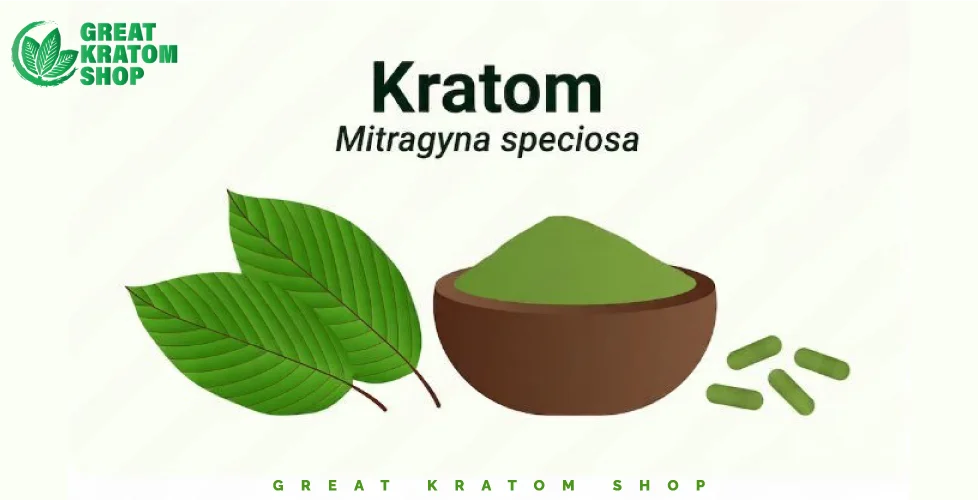
Kratom, scientifically known as Mitragyna speciosa, comes from the leaves of a tropical evergreen tree native to Southeast Asia. It grows mainly in countries such as Indonesia, Thailand, Malaysia, and nearby regions. In areas where it grows naturally, people have used its leaves for generations to reduce fatigue, improve physical endurance, relieve pain, and support mood.
It is also known by regional names such as Ketum or Biak. Traditionally, people chewed fresh kratom leaves or brewed them into tea to experience mild stimulation and increased productivity. Over time, its use spread beyond local communities and became available worldwide.
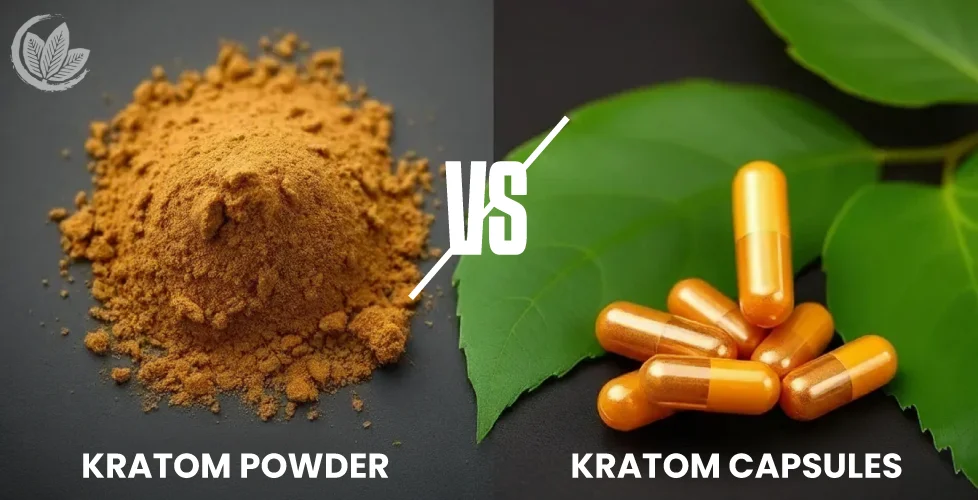
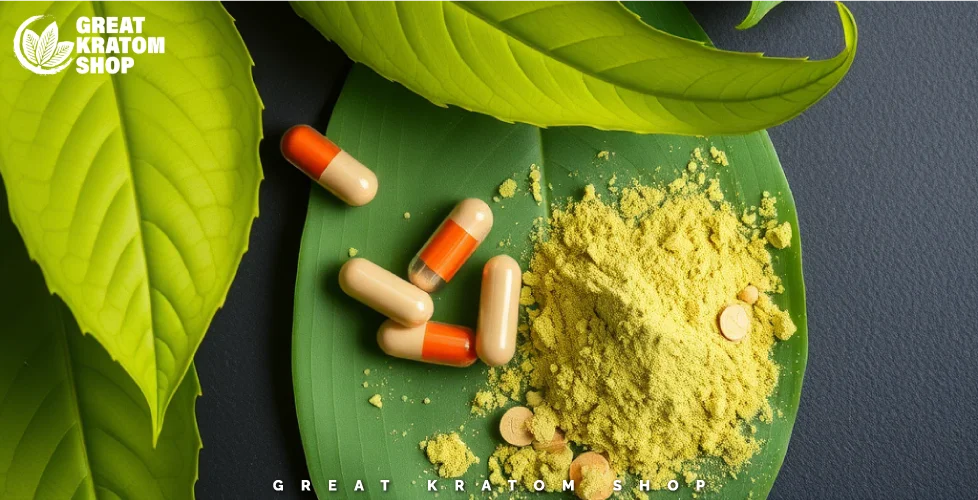
Today, it is processed into several common forms, including:
Each form affects how fast kratom works and how strong the effects feel. Since kratom is not medically approved or strictly regulated, the strength and purity can vary widely between products, making its effects less predictable.
Understanding Kratom’s Active Alkaloids
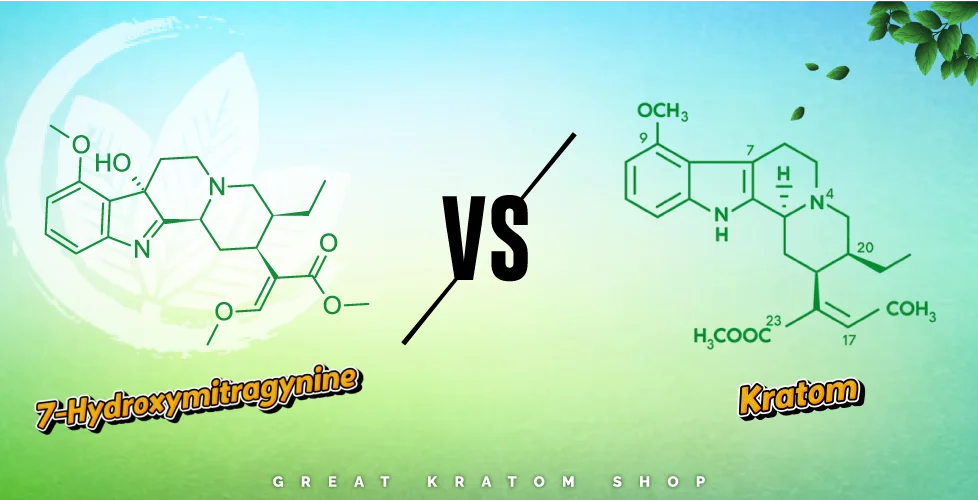
It contains over 40 alkaloids, but the two most important are mitragynine and 7-hydroxymitragynine. These compounds largely determine kratom effects, including stimulation, relaxation, pain relief, and the kratom high.
Mitragynine
Mitragynine is the most abundant alkaloid. At low doses, it:
- Increases energy, focus, and motivation
- Enhances mood
- Provides mild pain relief by acting lightly on opioid receptors
It mainly produces the stimulating, clear-headed effects.
7-Hydroxymitragynine
This potent alkaloid is present in smaller amounts but has a stronger effect:
- Provides stronger pain relief
- Induces relaxation and sedation
- Contributes to the opioid-like kratom high at higher doses
Pseudoindoxyl (Mitragynine Pseudoindoxyl)
Kratom naturally contains alkaloids such as mitragynine and 7-hydroxymitragynine. Pseudoindoxyl is a metabolite and rearranged form of these alkaloids, particularly 7-hydroxymitragynine. It forms in the body after kratom consumption and can also develop during processing or oxidation.
Pseudoindoxyl products contain a compound shows strong activity at opioid receptors—sometimes even stronger than mitragynine itself. Although pseudoindoxyl is not typically present in high amounts in raw kratom leaf, it originates directly from alkaloids, making it kratom-derived rather than a synthetic substance.
How They Work Together
Low doses are dominated by mitragynine (stimulation), while high doses are influenced more by 7-OH (sedation and euphoria). The balance of these alkaloids determines whether it feels energizing, relaxing, or euphoric.
How Does Kratom Work on the Body and Brain?
Synergistic effects of kratom come from its active compounds, mitragynine and 7-hydroxymitragynine. These alkaloids work together in the body and brain by interacting with several receptors, especially opioid receptors, which help shape mood, pain relief, and overall behavior.
Mechanisms of Action
Kratom works by interacting with specific receptors in the brain and body, which explains its stimulating, relaxing, and pain-relieving effects.
Opioid Receptors
- Interaction: Mitragynine and 7-hydroxymitragynine bind to mu-opioid receptors, similar to opioids like morphine.
- Effects: This can produce pain relief, relaxation, euphoria, and sedation at higher doses.
Adrenergic Receptors
- Stimulation: It can activate adrenergic receptors, which helps increase energy, focus, and alertness at lower doses.
Serotonin and Dopamine
- Modulation: Kratom may influence serotonin and dopamine levels, improving mood, motivation, and emotional well-being.
Central Nervous System
- Impact: Kratom’s interaction with the central nervous system can cause both stimulant and depressant effects, depending on the dosage.
Dosage-Dependent Effects
- Low Doses (1–2 grams): Usually provide stimulation, including increased energy, mental clarity, and sociability.
- Moderate to High Doses (2–6 grams): More likely to produce sedation, pain relief, deep relaxation, and mild euphoria.
In summary, it works through a combination of opioid, adrenergic, and neurotransmitter pathways. This explains why small doses can feel energizing, while higher doses produce a relaxing, opioid-like high.
Read more: Best kratom strain for anxiety and depression: Dosage and side effects
What Does a Kratom High Feel Like?
A kratom high can feel very different depending on the dose, strain, and individual tolerance. Many people describe the effects as mildly stimulating, relaxing, or euphoric rather than overwhelming or intoxicating.
Low-Dose Effects (Stimulation)
At lower doses (around 0.5–2 grams of powder), kratom usually acts like a gentle stimulant. People often feel:
- Increased energy and alertness
- Improved focus and motivation
- Slight mood lift or mental clarity
- Greater sociability
This low-dose stimulation makes kratum popular for daytime use or productivity. Users generally do not feel “intoxicated” at this level.
Moderate-Dose Effects (Mild Euphoria)
At moderate doses (2–4 grams), kratum becomes more psychoactive. The high may include:
- Relaxed body and mind
- Mild euphoria or contentment
- Reduced stress or anxiety
- Light pain relief
- Improved mood and sociability
Many users describe this as the classic kratom high, which feels calming but still leaves them clear-headed. It is often used for relaxation, stress relief, or a natural mood lift.
High-Dose Effects (Sedation)
At higher doses (4–6 grams or more), kratum effects shift toward sedation. Users may experience:
- Heavy or relaxed limbs
- Deep physical relaxation
- Drowsiness or sleepiness
- Strong pain relief
- Nausea or dizziness in sensitive individuals
This high dose can feel more opioid-like and may not be suitable for daytime use. Side effects and risks increase at this level.
Factors That Affect How a Kratum High Feels
Several factors influence how a kratom high feels, including the dose, strain, product type, and individual body chemistry.
- Strain type:
- White vein kratom is usually more energizing.
- Green vein kratom provides balanced effects.
- Red vein kratom is typically calming and sedating.
- Product type: Extracts are much stronger and can intensify the high.
- Tolerance and frequency: Regular use can reduce effects, requiring higher doses for the same high.
- Individual biology: Body weight, metabolism, and genetics affect sensitivity to kratom.
Summary of the Kratom High
- Low dose: energizing, stimulating, and clear-headed
- Moderate dose: relaxing, mild euphoria, mood-lifting
- High dose: sedating, heavy body, strong pain relief
Overall, a kratom high is usually gentle and functional, rather than overpowering or hallucinogenic. People often use kratom help to relieve migraine pain, improve mood, or reduce anxiety while staying alert.
Common Side Effects of Kratom
It can provide energy, relaxation, pain relief, and a mild euphoric high, but it may also cause side effects. Most are mild and temporary, especially at low to moderate doses:
- Nausea: Mild queasiness, often on an empty stomach or higher doses.
- Constipation: It can slow digestion with frequent use.
- Dry Mouth: Common; drinking water helps.
- Sweating & Headaches: Occasional mild discomfort.
- Drowsiness: High doses may cause sleepiness or sedation.
Serious risks are rare but can include liver stress, dizziness, or dangerous interactions with alcohol or medications.
Read more: Best kratom strain for anxiety and depression: Dosage and side effects
Tips to Reduce Side Effects
Kratom side effects often happen due to high doses or frequent use. Following a few simple safety tips can help lower the risk and make the experience more manageable.
- Start with a low dose: Begin with a small amount to see how your body reacts.
- Stay hydrated: Drink water before and after taking it.
- Avoid combining with other substances: Mixing kratom with alcohol, sedatives, or opioids increases side effects.
- Take breaks: Avoid daily use to reduce tolerance, dependence, and other risks.
Kratom Dosage Guide (General Reference)
Understanding the right kratom dosage is important for safety and to achieve the desired effects. Dosage can affect whether it feels stimulating, relaxing, or sedating.
| Dosage Level | Amount | Effects |
| Beginner Dose | 0.5–1 gram | Very mild effects; subtle energy and focus |
| Low Dose | 1–2 grams | Increased energy, alertness, and focus |
| Moderate Dose | 2–4 grams | Relaxation, mild kratom high, mood improvement |
| High Dose | 4–6 grams | Sedation, strong relaxation, pain relief |
| Very High Dose | 6+ grams | High risk of side effects, nausea, and dependence |
Always start with a low dose to see how your body reacts and avoid potential side effects. Proper dosing ensures a safer and more controlled experience.
Onset and Duration of Kratom Effects
Kratom affects the body and mind at different speeds depending on dose, form, and individual factors.
- Onset: Kratom effects usually start within 10 to 30 minutes after consumption. Early effects may include mild energy, focus, or mood improvement.
- Duration: The effects generally last 2 to 6 hours, depending on dosage and personal metabolism. Low doses wear off faster, while higher doses or concentrated extracts can last longer.
Factors That Influence Onset and Duration
The time it takes for kratom effects to start and how long they last can vary widely from person to person. Several factors, including dosage, product type, and individual body chemistry, play a key role in how quickly kratom works and how long its effects remain noticeable.
- Dosage: Higher doses often produce stronger and longer-lasting effects.
- Form of Kratom: Powders, capsules, and extracts absorb differently, affecting how fast effects start. Extracts usually act faster than powders.
- Individual Factors: Metabolism, body weight, tolerance, and overall health influence both the speed and duration of kratom effects.
Tip: Begin with a small dose to see how your body responds before taking more.
Read more: 7-Hydroxymitragynine vs Kratom comparison: Which is stronger?
How Long Does Kratom Stay in Your System?
Their main active compound, mitragynine, has a half-life of about 24 hours, which means it takes roughly one day for the body to eliminate half of it. On average, it can be detected in urine for 1 to 7 days, in blood for up to 24 hours, and in hair for up to 90 days, although hair testing for kratom is uncommon.
The exact time kratom stays in your system depends on several factors, including:
- Frequency and amount of use – higher or repeated doses take longer to leave the body
- Individual metabolism – faster metabolism clears kratom more quickly
- Age and health – liver and kidney function affect how the body processes kratom
- Body weight – alkaloids may stay longer in individuals with higher body fat
These factors can make detection times vary from person to person.
How Long Is Kratom Detectable?
How long do kratom’s effects last? The length of detection varies based on the testing method used.
-
Urine Tests: Urine tests are the most common method used to detect kratom use because they can identify mitragynine in the body. For occasional kratom users, the substance may remain detectable for about 1 to 5 days. Regular or heavy users may test positive for up to 10 days or longer, depending on usage frequency and metabolism.
-
Blood Tests: Blood tests can detect kratom for a much shorter period, usually up to 24 hours after use. These tests are not commonly used because they are more expensive and require a blood sample, making them less practical for routine screening.
-
Hair Tests: Hair tests can detect kratom use for an extended period, sometimes up to 90 days. Although rare, this testing method provides a long-term record of kratom use by analyzing drug traces trapped in hair
Can Kratom Be Addictive?
Yes, it can be addictive, especially if it is used regularly or in high doses. While kratomm is a natural plant, its active compounds — mitragynine and 7-hydroxymitragynine — act on the brain’s opioid receptors. Over time, repeated stimulation of these receptors can cause your body to develop tolerance and physical dependence.
How Kratom Addiction Develops
Kratom addiction develops gradually as the body becomes used to frequent or high-dose use. Over time, tolerance builds, leading people to take more kratom to achieve the same effects, which increases the risk of dependence.
- Tolerance: With frequent use, your body may need higher doses of kratom to achieve the same effects.
- Dependence: Long-term use can make your body rely on kratom to feel normal, especially for mood, energy, or pain relief.
- Cravings: People may experience strong urges to use kratom even if they know it might cause side effects or health problems.
Read more : What are the best kratom edibles? Where to get them from?
Signs of Kratom Addiction
Some common signs that someone may be developing a kratom addiction include:
- Needing increasing amounts of kratom for the same effect
- Feeling irritable, anxious, or low without kratom
- Using kratom daily or multiple times a day
- Prioritizing kratom over work, social activities, or health
- Experiencing withdrawal symptoms when stopping
Kratom Withdrawal Symptoms
If someone dependent on kratom stops using it suddenly, they may experience withdrawal. Symptoms are generally milder than opioid withdrawal but can still be uncomfortable:
- Fatigue and low energy
- Muscle aches or cramps
- Insomnia or restless sleep
- Anxiety and irritability
- Nausea, vomiting, or diarrhea
- Mood swings and mild depression
Reducing Addiction Risk
You can reduce the risk of addiction by following these harm-reduction strategies:
- Use low doses: Start small to see how your body reacts.
- Limit frequency: Avoid daily use and take breaks to prevent tolerance.
- Avoid high doses: Higher doses increase dependence risk.
- Track use: Keep a journal of dosage and effects to stay aware of patterns.
- Seek support: Talk to a healthcare provider if you notice cravings or dependence symptoms.
Kratom Responsible Use & Alternatives
It can provide energy, relaxation, and mild pain relief, but responsible use is essential to reduce risks like side effects or dependence.
Responsible Kratom Use
- Start low, go slow: Begin with 0.5–1 g and increase gradually.
- Measure accurately: Use a digital scale rather than estimating.
- Limit frequency: Use 2–3 times per week to avoid tolerance.
- Choose quality products: Buy from trusted vendors with lab-tested.
- Avoid mixing substances: Do not combine with alcohol, opioids, or sedatives.
- Stay hydrated and eat well: Prevent mild dehydration or digestive issues.
Watch for Side Effects
Common effects include nausea, constipation, dry mouth, and drowsiness. High doses or long-term use may cause liver strain or dependence. Reduce dosage if side effects appear.
Safer Alternatives
- Herbal stimulants: Green tea, guarana
- Adaptogens: Ashwagandha, rhodiola, ginseng
- CBD: Relaxation and pain relief without psychoactive effects
- Mindfulness & yoga: Stress relief and mood improvement
- Over-the-counter pain relief: Acetaminophen or ibuprofen
Final Tip: Use kratom responsibly, monitor effects, and consider safer alternatives to enjoy benefits while protecting your health.
Legal Status of Kratom
The legal status of kratom varies widely around the world. It is not universally legal, and its rules differ depending on the country, state, or region. Because it contains psychoactive alkaloids, many governments have regulated or banned it to reduce risks related to misuse, dependence, or health concerns.
Kratom Laws by Region
- United States: Kratom is legal at the federal level, but some states and cities have banned it. For example, states like Alabama, Arkansas, Indiana, and Wisconsin restrict kratom. Certain cities, like San Diego and Sarasota, also have local bans.
- Europe: Some European countries, such as Poland, Denmark, and Romania, ban kratom, while others, like the UK, regulate it under herbal supplement laws.
- Asia: In its native countries, it is illegal in Thailand and Malaysia but legal in limited forms in Indonesia. Thailand recently allowed regulated use for medical purposes.
- Australia & New Zealand: it is classified as a controlled substance and is illegal to possess, sell, or use without a prescription.
Read more: Dos and don’ts of shopping for kratom products
Why Kratom Is Regulated
Authorities regulate kratom due to:
- Potential for dependence: Regular high-dose use can lead to tolerance and withdrawal symptoms.
- Health risks: Overuse or mixing with other substances can cause serious side effects.
- Lack of standardization: Many kratom products are unregulated, so quality and safety are not guaranteed.
Tips for Using Kratom Legally
Understanding the legal status of kratom is essential before using or purchasing it. Kratom laws vary by location, so knowing local regulations helps you stay compliant and avoid legal issues.
- Check your local laws before buying or consuming kratom.
- Purchase from reputable vendors that provide lab-tested products.
- Avoid international shipments if your country bans kratom.
- Use responsibly to stay within legal and safe limits.
Summary: The legality of kratom is complex and constantly evolving. Users must stay informed about their local regulations to avoid legal issues. Even in places where kratom is legal, responsible use is essential to minimize risks.
Who Should Avoid Kratom?
It is not safe for everyone. Certain people should avoid using it to reduce the risk of serious side effects or health problems. You should avoid kratom if you are:
- Pregnant or breastfeeding: It may affect the baby and can cause complications.
- Suffering from liver or kidney disease: Kratom can put extra strain on these organs.
- Dealing with substance use disorders: It has the potential for dependence and may worsen addiction issues.
- Taking prescription medications: Kratom can interact with medications and cause dangerous side effects.
Important: Always talk to a healthcare professional before trying kratom, especially if you have existing health conditions or take any medications.
Where to Buy Kratom Products
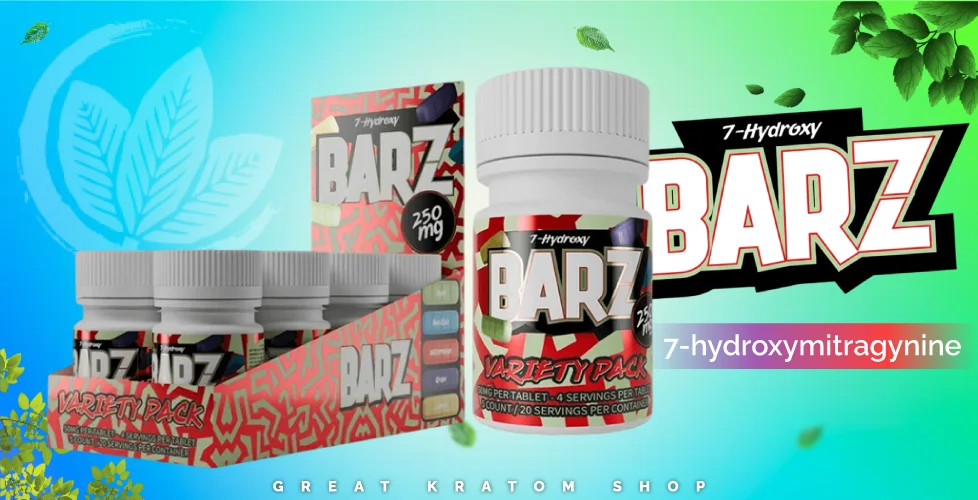
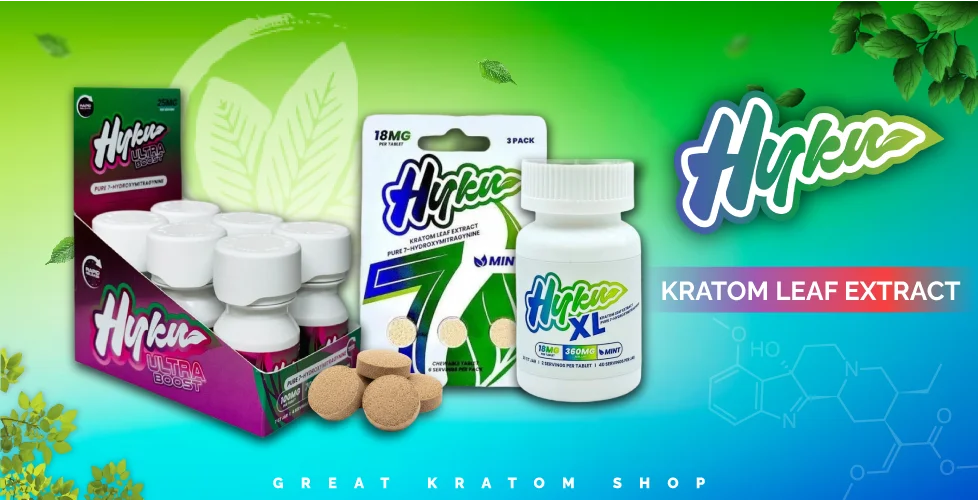
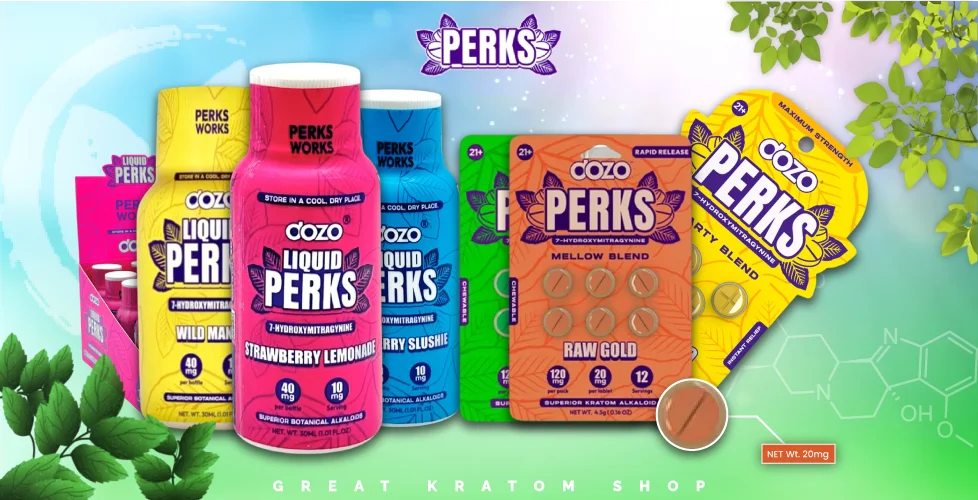
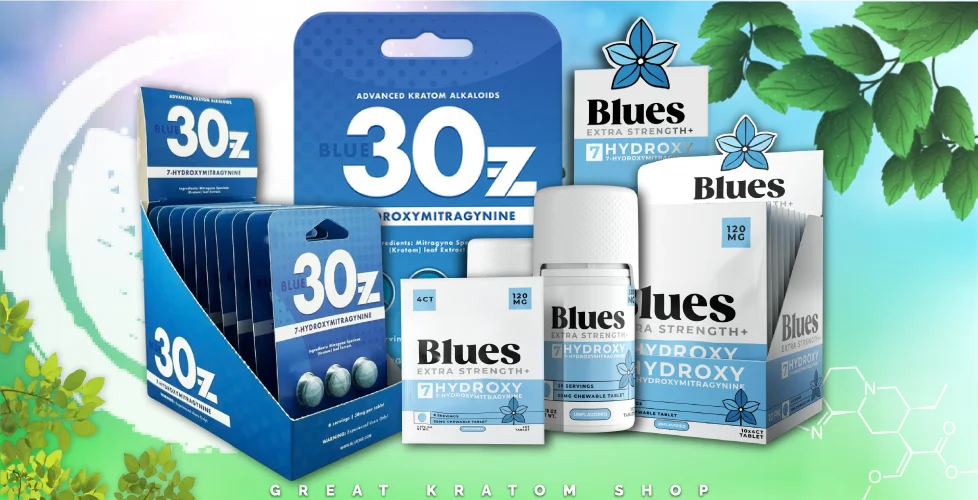
If you’re looking to purchase high-quality products, Great Kratom Shop is a reliable option. They offer a wide range of kratom powders, capsules, extracts, and tablets from trusted suppliers. The shop emphasizes lab-tested, pure, and safe kratom, ensuring customers receive consistent potency and quality.
Whether you’re seeking a mild stimulating strain or a strong relaxing red vein, Great Kratom Shop provides detailed product information to help you choose the right product for your needs. Buying from a reputable source helps reduce the risk of contaminated or mislabeled products, making your experience safer and more predictable.
Read more: How to find the best kratom brand?
Final Thoughts
Yes, kratom can produce a noticeable high, particularly when taken at moderate to high doses. However, the intensity and type of high depends on several factors, including the strain, dosage, frequency of use, and whether you are using powder, capsules, or extracts. Everyone’s body reacts differently, so what feels mild to one person may feel stronger to another.
To enjoy kratom more safely, it is important to use it responsibly. Start with lower doses, measure carefully, avoid mixing it with alcohol or other drugs, and take breaks to prevent tolerance and dependence. Being aware of potential kratom side effects, risks, and interactions can help minimize harm and ensure a safer experience.
Disclaimer: This article is for informational purposes only and is not a substitute for professional medical advice. Always consult a healthcare professional before using kratom, especially if you have health conditions or take medications.