How Long Does Kratom Stay in Your System? A Complete Guide

Kratom has become a widely discussed natural substance for energy, relaxation, and pain relief. But one of the most important questions people ask is: how long does kratom stay in your system?
Whether you’re preparing for a drug test, managing your intake, or simply learning more, understanding kratom’s timeline in the body is essential. In this comprehensive, research-backed guide, we’ll explain everything in simple language—from how kratom works to how long it stays in your system, supported by research studies and scientific insights.
Read more: Does Kratom Show Up on a Drug Test? A Complete Guide
What Is Kratom?
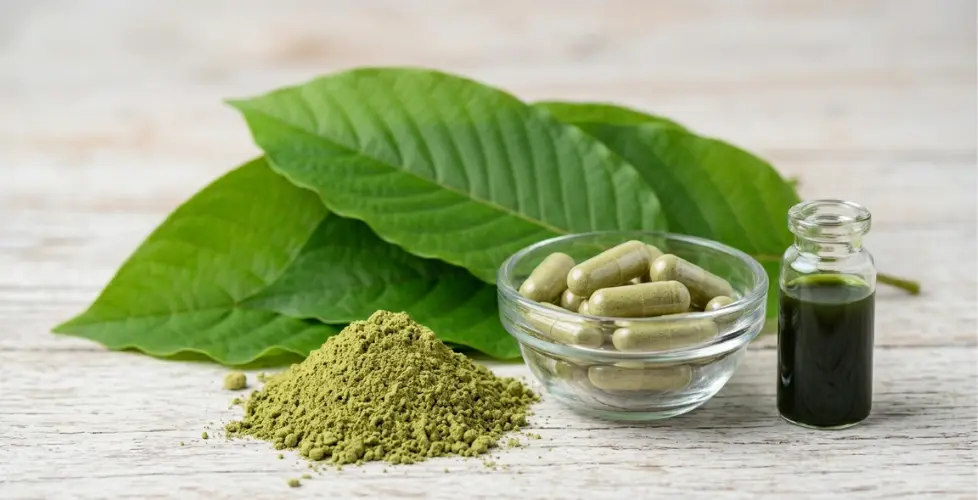
Kratom comes from the tropical tree Mitragyna speciosa, native to Southeast Asia. Its leaves contain over 40 active compounds, but the most important ones are:
- Mitragynine
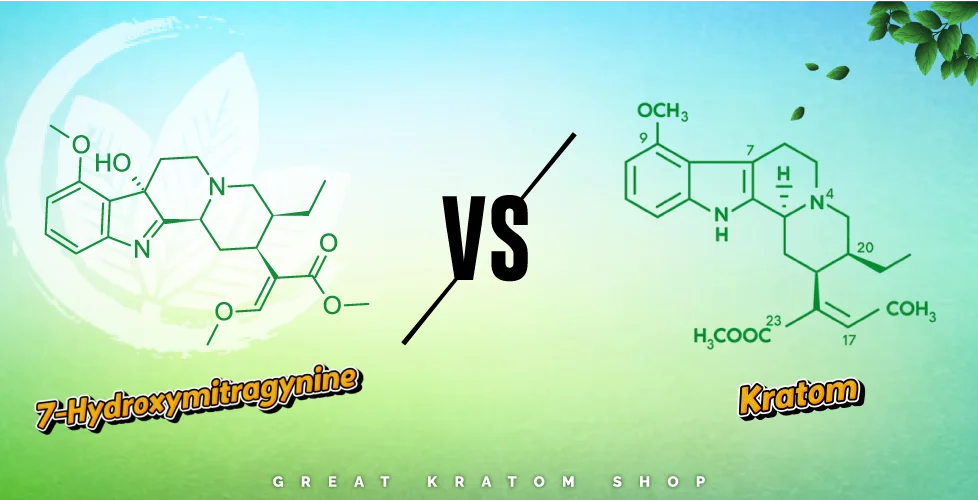
- 7-hydroxymitragynine
According to research studies on kratom pharmacology, kratom produces:
- Stimulant effects at low doses
- Opioid-like or sedative effects at higher doses
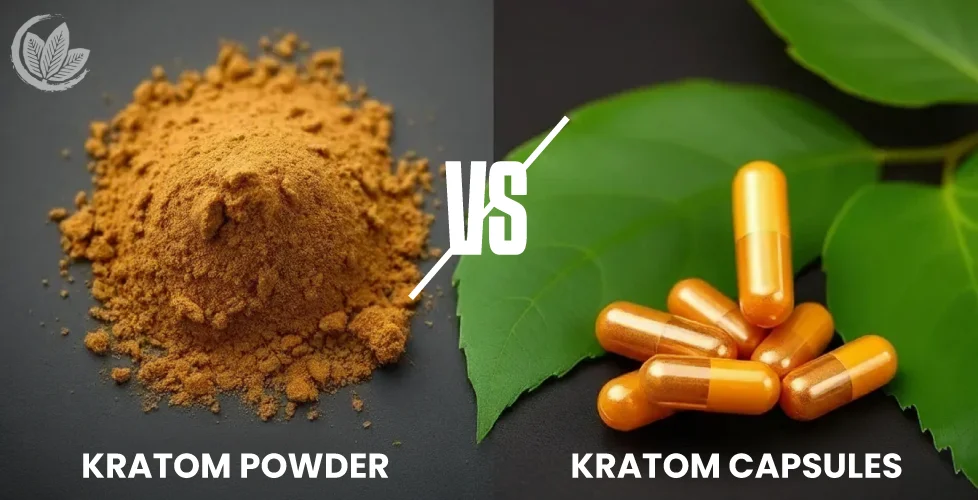
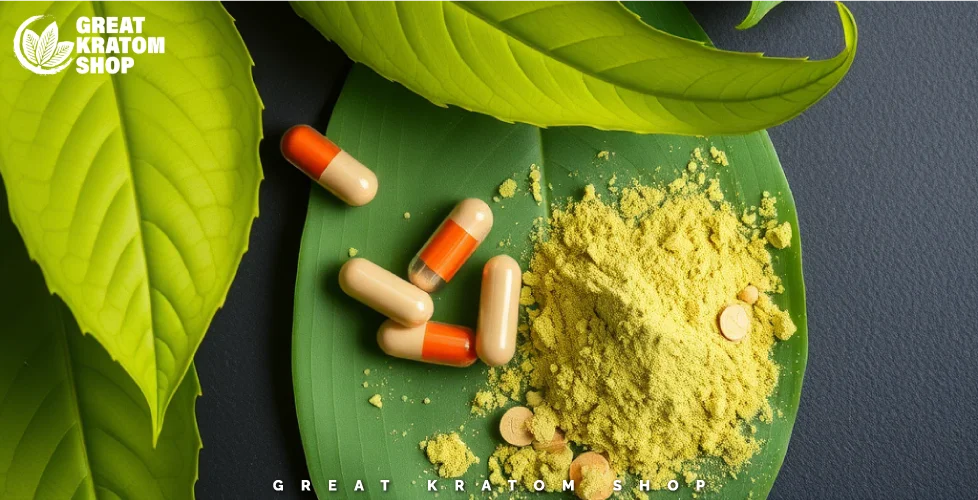
Traditionally, kratom has been used in teas or chewed directly, but today it’s commonly found in powders, capsules, tablets, and extracts. There are three main types of kratom strains white, red, or green, where the colors refer to the visible veins in the kratom leaves.
How Does Kratom Work in the Body?
Understanding how kratom works in the body is key to knowing why its effects vary between users, how long it stays in your system, and why it can be both stimulating and relaxing. Kratom’s effects are largely due to its active alkaloids—mitragynine and 7-hydroxymitragynine—and how they interact with opioid receptors in the nervous system.
Active Compounds in Kratom
Kratom contains over 40 alkaloids, but the two primary ones responsible for most effects are:
- Mitragynine – the most abundant alkaloid, accounting for up to 66% of kratom leaves. It interacts with opioid receptors to provide mild pain relief and stimulant effects at lower doses.
- 7-Hydroxymitragynine – a more potent alkaloid, even at small amounts. It has strong opioid-like properties, producing sedation and pain relief.
Other alkaloids, including paynantheine, speciogynine, and speciociliatine, contribute to kratom’s overall effects but in smaller ways.
Interaction With the Brain
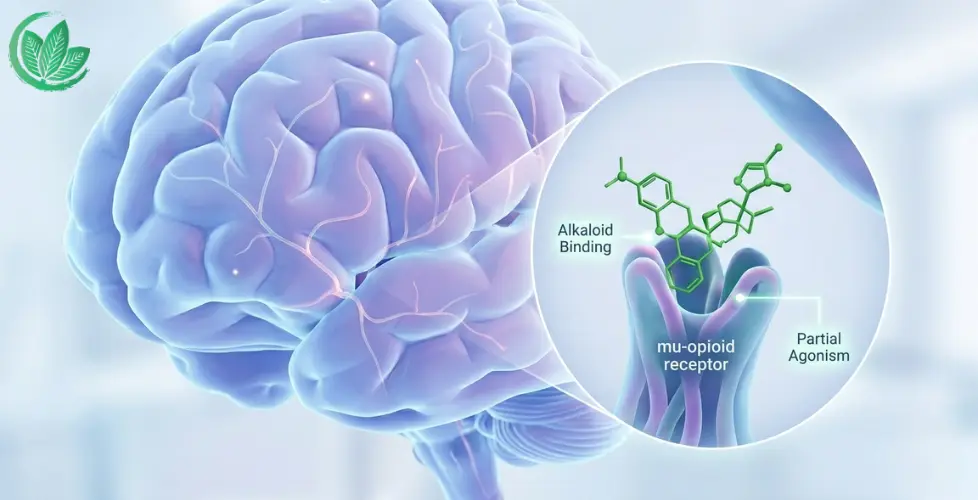
Kratom primarily works by binding to opioid receptors in the brain. These are the same receptors that opioids like morphine or codeine target, but kratom’s binding is partial, making it less intense.
According to research studies on kratom receptor activity:
Effects on the brain include:
- Stimulation: Low doses increase alertness, energy, and focus by acting on adrenergic and dopaminergic pathways.
- Pain relief and sedation: High doses activate mu-opioid receptors, reducing pain perception and promoting relaxation.
- Mood enhancement: Kratom can boost serotonin and dopamine levels, leading to improved mood and mild euphoria.
Kratom Metabolism in the Liver
According to research studies on kratom metabolism pathways, kratom is metabolized primarily in the liver through enzymes like CYP3A4 and CYP2D6. These enzymes break down mitragynine and 7-hydroxymitragynine into metabolites, which continue to produce effects and are eventually excreted.
Key points about metabolism:
- First-pass metabolism reduces the potency of some compounds.
- 7-Hydroxymitragynine, though present in smaller amounts, is more potent after metabolism.
- Metabolism rates vary by individual, affecting how long kratom stays active in the body.
Absorption and Onset of Effects
Kratom is absorbed through the stomach and intestines. How quickly you feel its effects depends on:
- Form of kratom: Powders or capsules may take longer to digest than tinctures or extracts.
- Stomach contents: Taking kratom on an empty stomach increases absorption speed.
- Dosage: Higher doses can prolong onset but intensify effects.
Read more: Pure Leaf Kratom Review: Strains, Quality and Consistency
Typical onset times:
In most cases, kratom starts working within:
- 5 to 10 minutes → fastest (liquids or tea)
- 15 to 30 minutes → typical for most users
- 20 to 45 minutes → slower (capsules or tablets)
Research shows that many users feel kratom effects within minutes, especially when taken on an empty stomach.
Duration of Effects
Once absorbed and metabolized, kratom produces effects for several hours:
- Low dose (1–5 grams): 2–3 hours of stimulation and alertness
- Moderate to high dose (5–15 grams): 4–6 hours of sedation, relaxation, and pain relief
The effects gradually wear off as your body processes different forms of kratom—such as kratom gummies, kratom shots, and kratom powder—and eliminates their active compounds through the kidneys.
Elimination From the Body
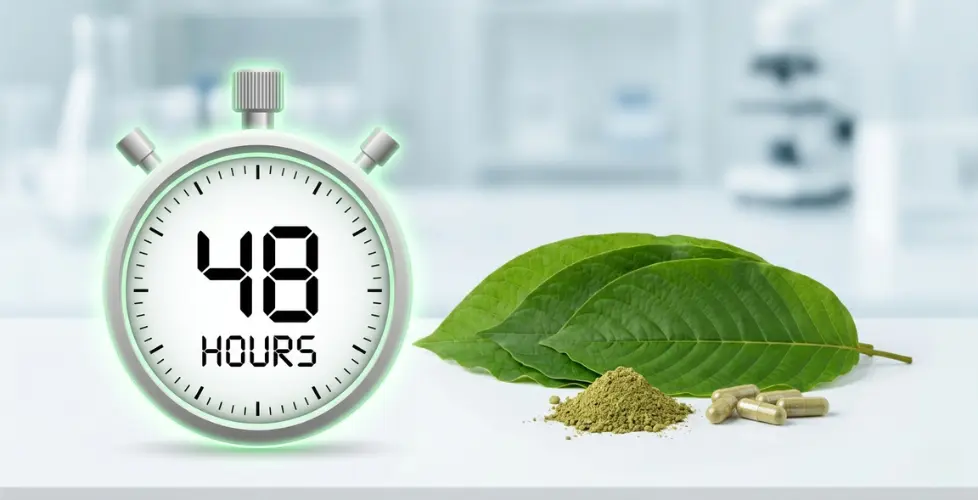
Kratom is eliminated primarily through urine, with small amounts via feces. Kratom elimination time from the body typically ranges up to 48 hours for most people. Its half-life depends on the alkaloid:
- Mitragynine: 7–24 hours
- 7-Hydroxymitragynine: 2–3 hours
Factors affecting elimination:
- Metabolism rate
- Body fat percentage
- Hydration levels
- Frequency of use
Because of this metabolism and elimination process, kratom may remain detectable in urine for several days, even after the effects have worn off.
Why Kratom Can Be Both a Stimulant and a Sedative
The dual nature of kratom is due to its dose-dependent effects and alkaloid interactions:
- Low doses: Stimulate energy, focus, and sociability
- Moderate doses: Promote pain relief and mild relaxation
- High doses: Produce sedation and sleepiness
This versatility makes kratom popular for both daytime energy and nighttime relaxation but also requires careful dosing to avoid unwanted effects.
How Fast Does Kratom Start Working?
Kratom acts faster than many other substances, so users often notice its effects quickly.
- Onset time: about 5–10 minutes
- Peak effects: within 1–2 hours
- Total duration: around 2–6+ hours
Most people begin to feel kratom within minutes, especially when they take it on an empty stomach, which allows faster absorption and quicker results.
How Long Does Kratom Stay in Your System?
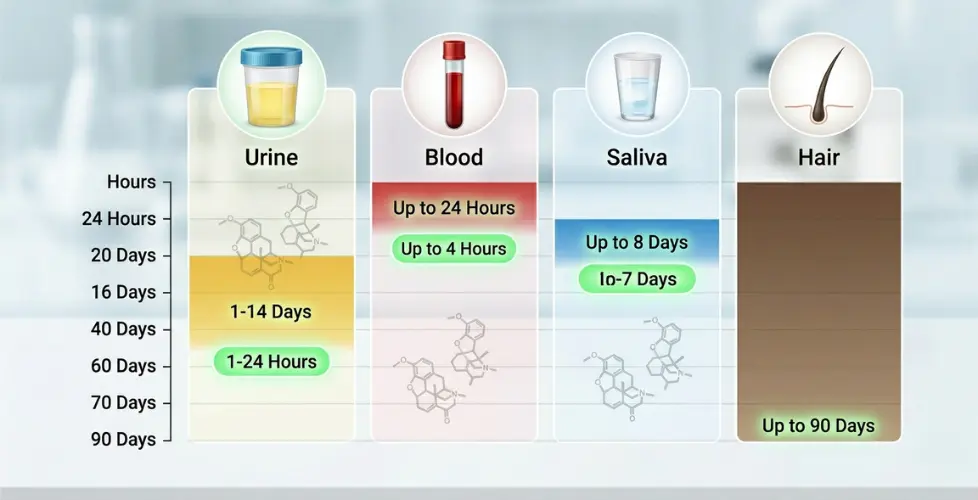
The answer depends on the type of drug test and individual factors. Based on available data and clinical research studies, here are the general detection windows:
| Test Type | Detection Time |
| Urine | 1–7 days (up to 14 days heavy use) |
| Blood | Up to 24 hours |
| Saliva | Few hours (rarely used) |
| Hair | Up to 90 days (theoretical) |
👉 In most cases, kratom stays in your system for about 5–9 days, especially in urine.
Understanding Kratom Half-Life
The half-life of a substance is the amount of time your body needs to remove half of it.
Based on research studies on mitragynine half-life, the main compounds in kratom stay in the body for different lengths of time:
- Mitragynine half-life: about 7 to 24 hours
- 7-hydroxymitragynine half-life: about 2.5 to 3 hours
What this means is:
- Kratom does not leave your system immediately—it can stay in your body for several days
- If you use kratom regularly, it can build up in your system and take longer to clear
Some research also suggests that kratom may take around 33 hours to be mostly cleared from the body, but small amounts can still be detected for a longer period, especially with frequent use.
Read more: Kratom Powder vs Capsules: Which One Is Best For You?
How Long Does Kratom Stay in Urine?
Urine testing is the most common and reliable way to detect kratom in the body because your system removes its metabolites through urine.
- Occasional users: about 1–5 days
- Moderate users: around 5–7 days
- Heavy or frequent users: up to 10–14 days
Research studies on kratom detection in urine tests are the preferred method since they can identify kratom compounds for a longer period compared to other testing types.
How Long Does Kratom Stay in Blood?
Blood tests can detect kratom shortly after use, but they are not commonly used.
- Detectable after: 1–2 hours
- Detection window: up to 24 hours
Because blood tests have a short detection period and require invasive procedures, they are rarely used for routine kratom screening.
How Long Does Kratom Stay in Hair?
Hair testing provides the longest possible detection window.
- Detection time: up to 90 days
However, hair tests are not typically used for kratom due to higher costs and limited availability of specialized testing.
How Long Does Kratom Stay in Saliva?
Saliva testing is uncommon and not widely trusted for detecting kratom.
- Detection time: a few hours to less than 24 hours
Since kratom does not stay long in saliva and testing methods are not standardized, this type of test is rarely used.
Does Kratom Show Up on Drug Tests?
One of the most common concerns users have is: does kratom show up on a drug test? The answer depends on the type of test being used.
Standard Drug Tests vs. Specialized Tests
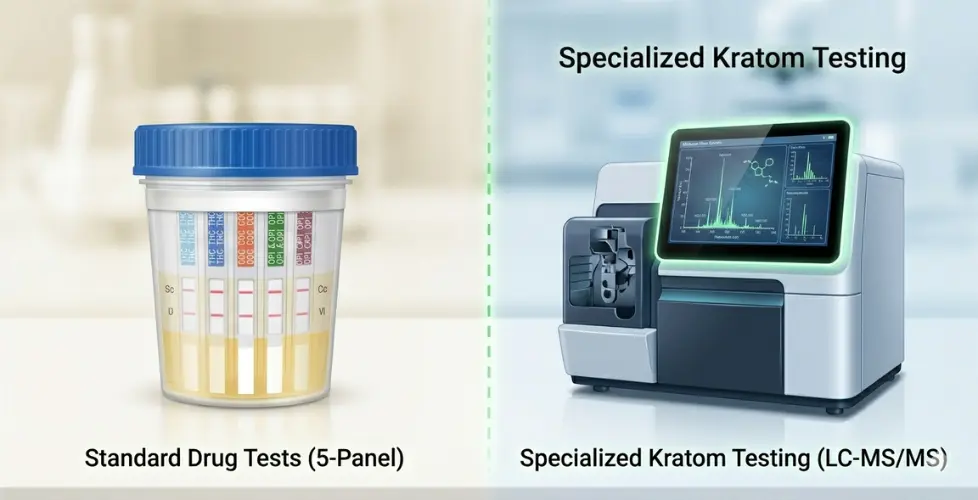
Most routine drug tests—like the 5-panel or 10-panel tests used by employers—do NOT screen for kratom. These tests are designed to detect substances such as:
- THC (cannabis)
- Cocaine
- Opiates
- Amphetamines
- Benzodiazepines
Kratom’s main compounds, mitragynine and 7-hydroxymitragynine, are not included in these standard panels.
However, according to research studies on advanced drug testing methods, specialized tests like LC-MS/MS (liquid chromatography–mass spectrometry) can detect kratom and its metabolites with high accuracy.
When Can Kratom Be Detected?
If a test specifically looks for kratom, detection depends on the testing method:
- Urine tests: Detectable for 1–7 days (up to 14 days for heavy users)
- Blood tests: Detectable for up to 24 hours
- Saliva tests: Detectable for a few hours
- Hair tests: Detectable for up to 90 days (rarely used)
According to research studies on kratom detection, urine testing is the most common method used when kratom screening is required.
How Long Do Kratom Effects Last?
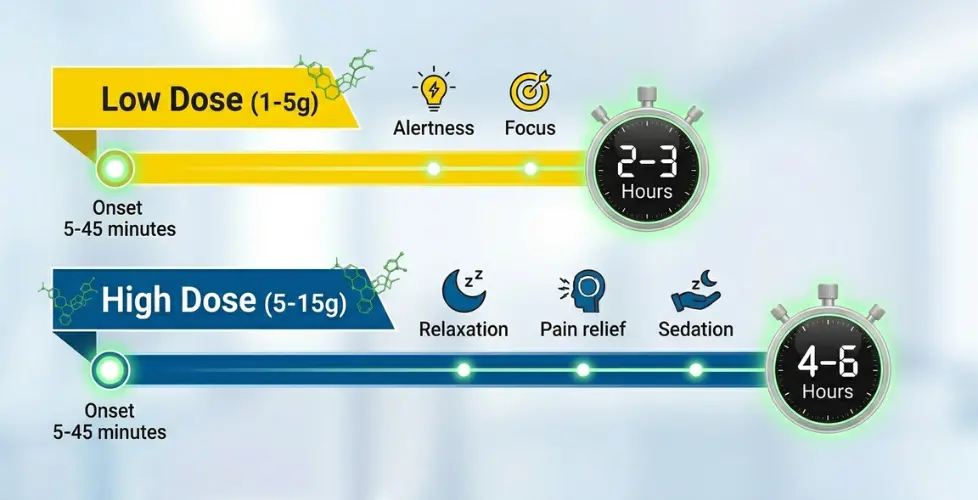
Kratom effects depend on both dose and product type, such as kratom vapes, edibles, powders or kratom capsules. Fast-acting forms hit quicker, while slower forms last longer.
Low Dose (1–5 grams)
At lower doses, kratom usually acts like a mild stimulant. You may experience:
- Increased energy
- Better focus
- Improved alertness
Duration: Around 2 to 3 hours
High Dose (5–15 grams)
At higher doses, kratom produces more calming and sedative effects, such as:
- Pain relief
- Relaxation
- Sedation
Duration: Up to 6 hours
Research studies show that kratom effects peak time within 1 to 2 hours after use, then gradually wear off.
Why Effects and Detection Time Are Different
Many people think kratom leaves the body once the effects fade—but that’s not accurate.
- Effects last: 2 to 6 hours
- Detection lasts: Several days
Even after you stop feeling the effects, your body continues to break down and eliminate kratom. That’s why it can still show up in drug tests long after the effects are gone.
Read more: Does Kratom Get You High? Effects, Risks, and Proper Dosage
Factors That Affect How Long Kratom Stays in Your System
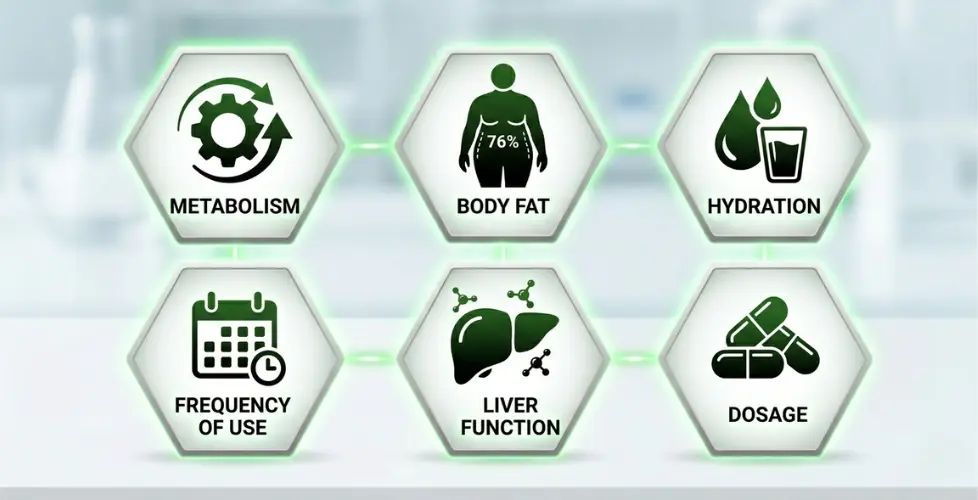
Kratom does not affect everyone the same way. Several factors influence how long it remains in your body:
1. Dosage
Taking larger amounts means your body has more kratom to process, which increases how long it stays in your system.
2. Frequency of Use
- Occasional users clear kratom faster
- Regular or heavy users take longer to eliminate it
Frequent use can cause buildup, which extends detection time.
3. Metabolism
People with faster metabolism break down kratom more quickly, while slower metabolism can delay elimination.
4. Body Fat
Kratom is fat-soluble (lipophilic), so it can be stored in fat tissues. Individuals with higher body fat may retain it for longer.
5. Liver Function
The liver plays a key role in processing kratom. Poor liver health can slow down how quickly it is broken down and removed.
6. Hydration and Diet
- Staying hydrated helps your body flush out kratom through urine
- Diet can affect how quickly kratom is absorbed and processed
7. Drug Interactions
Some medications can affect liver enzymes, which may either slow down or speed up kratom metabolism.
Understanding these factors can help you better estimate how long kratom stays in your system and how your body responds to it.
Kratom Effects: Physical and Psychological Impact
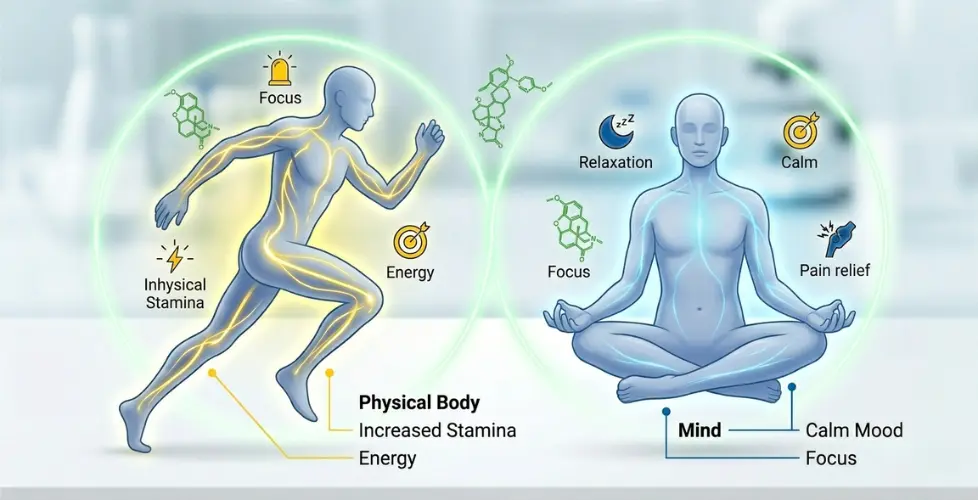
Understanding kratom effects is just as important as knowing how long kratom stays in your system, especially since different product types—like kratom Disposables vape, kratom edibles, kratom capsules, kratom powders, and kratom extracts—can affect how quickly it works and how long it lasts. Kratom impacts both the body (physical effects) and the mind (psychological effects), and these effects can vary based on the form you use, the dosage, frequency of use, and your individual tolerance.
How Kratom Affects the Body and Mind
Kratom works by interacting with receptors in the brain, especially opioid receptors. This is why its effects can feel stimulating at low doses and calming or sedating at higher doses.
According to research studies on kratom pharmacology, kratom’s active compounds influence:
- Mood
- Pain perception
- Energy levels
- Cognitive function
Physical Effects of Kratom
Physical effects of kratom refer to how it impacts the body, ranging from increased energy at low doses to relaxation and sedation at higher amounts.
1. Low Dose (Stimulant Effects)
At lower doses (1–5 grams), kratom acts like a mild stimulant.
Common physical effects include:
- Increased energy
- Improved alertness
- Enhanced physical stamina
- Faster heart rate
- Increased motivation
These effects are similar to caffeine or other stimulants and usually last 2–3 hours.
Read more: How Does Kratom Disposable Work? Everything You Need to Know
2. High Dose (Sedative / Opioid-Like Effects)
At higher doses (5–15 grams), kratom produces more relaxing and sedative effects.
Common physical effects include:
- Pain relief
- Muscle relaxation
- Sedation
- Slower breathing
- Heavy body sensation
These effects can last up to 6 hours or more, depending on the dose.
3. Common Side Effects
Even at normal doses, kratom may cause side effects such as:
- Nausea
- Sweating
- Dry mouth
- Constipation
- Loss of appetite
- Dizziness
These effects are more likely at higher doses or with frequent use.
Psychological Effects of Kratom
Kratom also has strong effects on the mind, which can vary widely.
1. Positive Psychological Effects
At moderate doses, users may experience:
- Improved mood
- Reduced anxiety
- Increased sociability
- Mild euphoria
- Better focus
These effects are one reason why people use kratom for pain, stress or mood support.
2. Negative Psychological Effects
Higher doses or long-term use can lead to:
- Anxiety
- Irritability
- Confusion
- Mood swings
- Brain fog
Some users also report feeling emotionally numb with frequent use.
3. Long-Term Psychological Impact
With regular or heavy use, kratom may lead to:
- Dependence
- Reduced motivation
- Memory problems
- Depression
According to research studies on kratom dependence, long-term use may affect brain chemistry and behavior.
Kratom Dependence and Withdrawal
Using kratom for a long time can lead to dependence, especially if you take higher doses or use it daily. Over time, your body may get used to kratom, making it harder to stop without discomfort.
Common Withdrawal Symptoms
When you stop using kratom, you may experience withdrawal symptoms such as:
- Muscle aches
- Trouble sleeping (insomnia)
- Irritability
- Anxiety
- Nausea
Does Kratom Get You High? The effects can range from mild to moderate depending on how much you take and how often you use kratom.
Withdrawal Timeline
Kratom withdrawal usually follows a general pattern:
- Start: Within 24–48 hours after the last dose
- Peak: Around day 3–4
- Improves: Within 7–10 days
Some people may still feel mild symptoms like low mood or cravings for a longer time.
Read more: Pseudoindoxyl vs 7-Hydroxymitragynine comparison: which is stronger?
How Can You Get Kratom Out of Your System Faster?

There is no quick way to remove kratom instantly, but you can help your body recover naturally by:
- Drinking plenty of water
- Exercising regularly
- Eating a healthy, balanced diet
- Getting enough rest and sleep
These habits support your body’s natural detox process and overall recovery.
Safety Considerations
Kratom is not completely risk-free, and it’s important to use it carefully.
- Mixing kratom with alcohol or sedatives can increase health risks
- Taking high doses may lead to serious side effects
- Long-term use can result in dependence
Always use kratom responsibly, and if you have concerns, consider speaking with a healthcare professional.
Final Thoughts
How long does kratom stay in your system varies depending on dose, frequency, metabolism, and body composition. For most users, it can remain detectable for 1 to 7 days, and in heavy or chronic users, even up to two weeks with specialized tests. While low doses may be stimulating, higher doses can produce sedative or opioid-like effects, and frequent use can lead to dependence or withdrawal symptoms.
While standard drug tests usually don’t screen for kratom, specialized tests can detect it. Research also shows that higher doses and long-term use may increase the risk of dependence and side effects.
kratom doesn’t stay forever, but it doesn’t leave your body instantly either. Use it responsibly, understand your limits, and allow enough time for your body to fully clear it.
In the end, knowing how kratom works in your body gives you better control over your health, your habits, and your decisions.